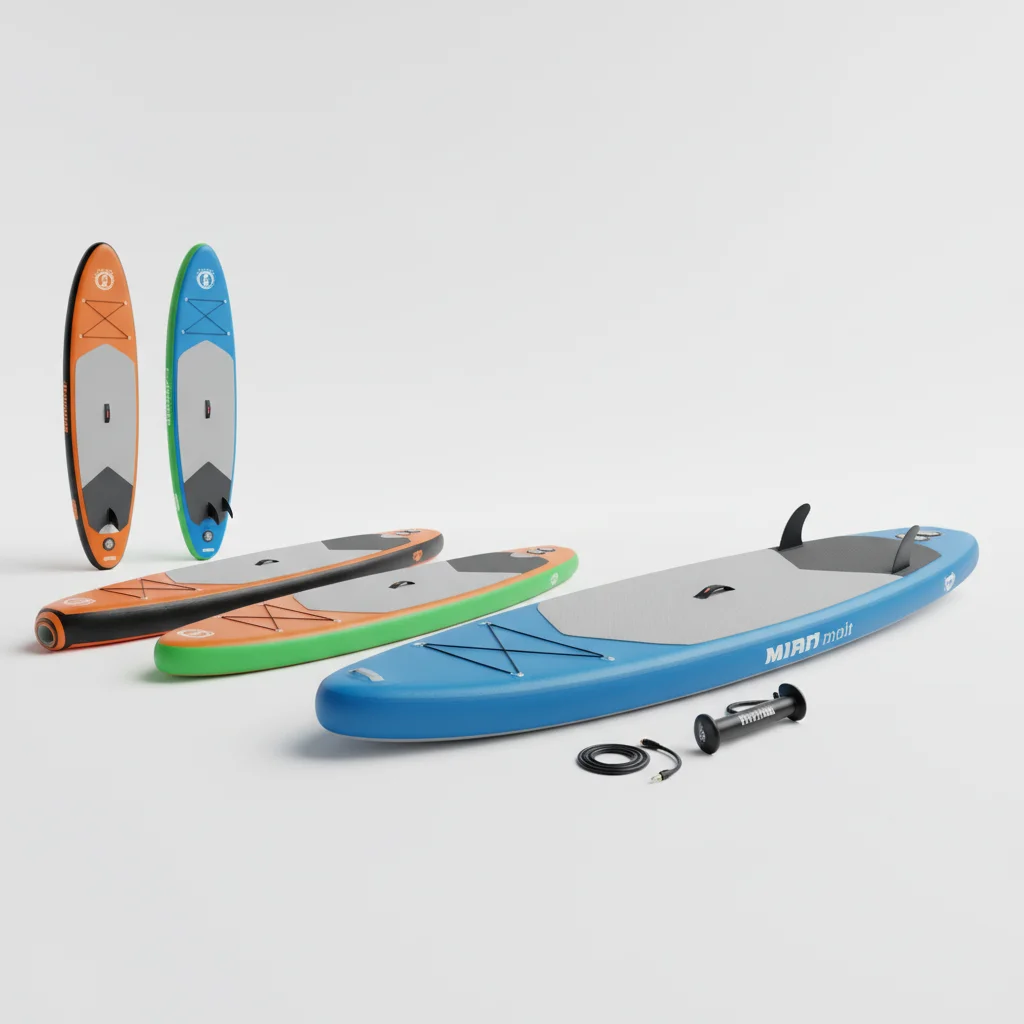
When considering inflatable paddle board stability, a width of 32 to 34 inches is generally wide enough for most paddlers to feel secure and balanced on the water. This range offers an excellent balance between stability, glide, and maneuverability, making it suitable for beginners and intermediate paddlers alike. Boards narrower than 30 inches tend to be less stable, while those wider than 34 inches, though very stable, can become cumbersome to paddle and turn.
Understanding Board Width and Its Impact on Stability
The width of an inflatable paddle board is a primary factor in determining its stability. A wider board provides a larger platform, making it more resistant to tipping, which is especially beneficial for new paddlers, those practicing yoga, or individuals carrying extra gear or pets. However, increased width can also lead to more drag in the water, requiring more effort to paddle and reducing overall speed. It’s a trade-off between feeling secure and achieving efficient movement across the water.
For example, a board designed for touring might be narrower to optimize speed and glide, while an all-around board will typically feature a more generous width to accommodate various activities. The ideal width also depends on the paddler’s weight and height; heavier or taller individuals often benefit from a slightly wider board to maintain balance.
Factors Beyond Width Affecting Stability
While width is crucial, it’s not the only determinant of an inflatable paddle board’s stability. Several other design elements play a significant role. The board’s shape, particularly the nose and tail design, can influence how it handles chop and how much surface area is in contact with the water. A wider tail, for instance, can add stability, especially when stepping back on the board.
Rail thickness and shape also contribute. Thicker rails can provide more buoyancy and a higher center of gravity, which can sometimes feel less stable to a beginner. Conversely, a well-designed rail profile can help the board cut through water more efficiently while maintaining a stable platform. Fin configuration is another key factor; larger or multiple fins can enhance tracking and overall stability, particularly in choppy conditions.
Choosing the Right Width for Your Paddling Style
|
Our Picks for the Best Paddle Board in 2026
As an Amazon Associate I earn from qualifying purchases.
|
||
| Num | Product | Action |
|---|---|---|
| 1 | FunWater Inflatable Stand Up Paddle Board with Premium SUP Paddleboard Accessories, Anti-Slip EVA Deck, 11'/10'6'' Paddle Boards for Adults & Youth of All Skill Levels |

|
| 2 | Highpi Inflatable Stand Up Paddle Board for Youth and Adults – Wide Sup with Premium Accessories, Blow Up Paddleboard for Surfing, Fishing, Yoga & More |
|
| 3 | Roc Inflatable Stand Up Paddle Boards with Premium SUP Paddle Board Accessories, Wide Stable Design, Non-Slip Comfort Deck for Youth & Adults |
|
| 4 | Niphean Inflatable Stand Up Paddle Board with SUP Accessories, Anti-Slip EVA Deck, 10’6’’ Inflatable Paddle Boards for Adults & Youth of All Skill Levels |
|
| 5 | Roc Inflatable Stand Up Paddle Board 10' 6" with Premium SUP Paddle Board Accessories, Wide Stable Design, Non-Slip Comfort Deck for Youth & Adults |
|
| 6 | FBSPORT 11' Premium Stand Up Paddle Board, Yoga Board with SUP Accessories & Carry Bag | Wide Stance, Surf Control, Non-Slip Deck, Leash, Paddle and Pump for Youth & Adult |
|
| 7 | Roc Inflatable Stand Up Paddle Board 10' 6" with Premium SUP Paddle Board Accessories, Wide Stable Design, Non-Slip Comfort Deck for Youth & Adults |
|
| 8 | Retrospec June Nano Kids Inflatable Fishing Paddle Board SUP Kayak: 9'6" Hybrid Paddleboard with Rod Holders, Removable Seat - Lightweight Portable Youth Fishing Board |
|
| 9 | FunWater Inflatable Stand Up Paddle Board with Premium SUP Paddleboard Accessories, Anti-Slip EVA Deck, 11'/10'6'' Paddle Boards for Adults & Youth of All Skill Levels |
|
| 10 | Roc Inflatable Stand Up Paddle Board 10' 6" with Premium SUP Paddle Board Accessories, Wide Stable Design, Non-Slip Comfort Deck for Youth & Adults |
|
Selecting the appropriate inflatable paddle board width hinges on your intended use and skill level. For beginners or those prioritizing maximum stability for activities like yoga or fishing, a board in the 33-34 inch range is highly recommended. This provides a forgiving platform that builds confidence quickly.
Intermediate paddlers looking for a balance of stability and performance might find a 31-32 inch wide board to be ideal. This allows for better glide and maneuverability without sacrificing too much stability. Experienced paddlers or those focused on speed and long-distance touring might opt for narrower boards, sometimes as slim as 28-30 inches, to minimize drag and maximize efficiency.
The Role of PSI and Construction in Stability
The internal air pressure (PSI) and overall construction quality of an inflatable paddle board significantly impact its rigidity and, consequently, its stability. A board inflated to its recommended PSI (typically between 12-18 PSI) will be much stiffer and more stable than one that is under-inflated. A firm board resists flexing and bending, providing a solid platform similar to a hardboard.
Advanced construction techniques, such as fusion technology or woven drop-stitch materials, also contribute to a board’s stiffness and durability. These methods create a more rigid structure that translates directly into improved stability on the water. Always ensure your board is inflated to the manufacturer’s specifications for optimal performance and safety.
Tips for Enhancing Your Paddle Board Stability
- Start on calm water: Practice in flat, still water to build confidence before venturing into choppier conditions.
- Maintain a low center of gravity: Bend your knees slightly and keep your core engaged to help with balance.
- Look at the horizon: Focusing your gaze forward helps maintain balance, rather than looking down at your feet.
- Use a wider stance: Position your feet shoulder-width apart, or slightly wider, for a more stable base.
- Practice falling and remounting: Knowing how to safely get back on your board will reduce anxiety and improve your overall experience.
