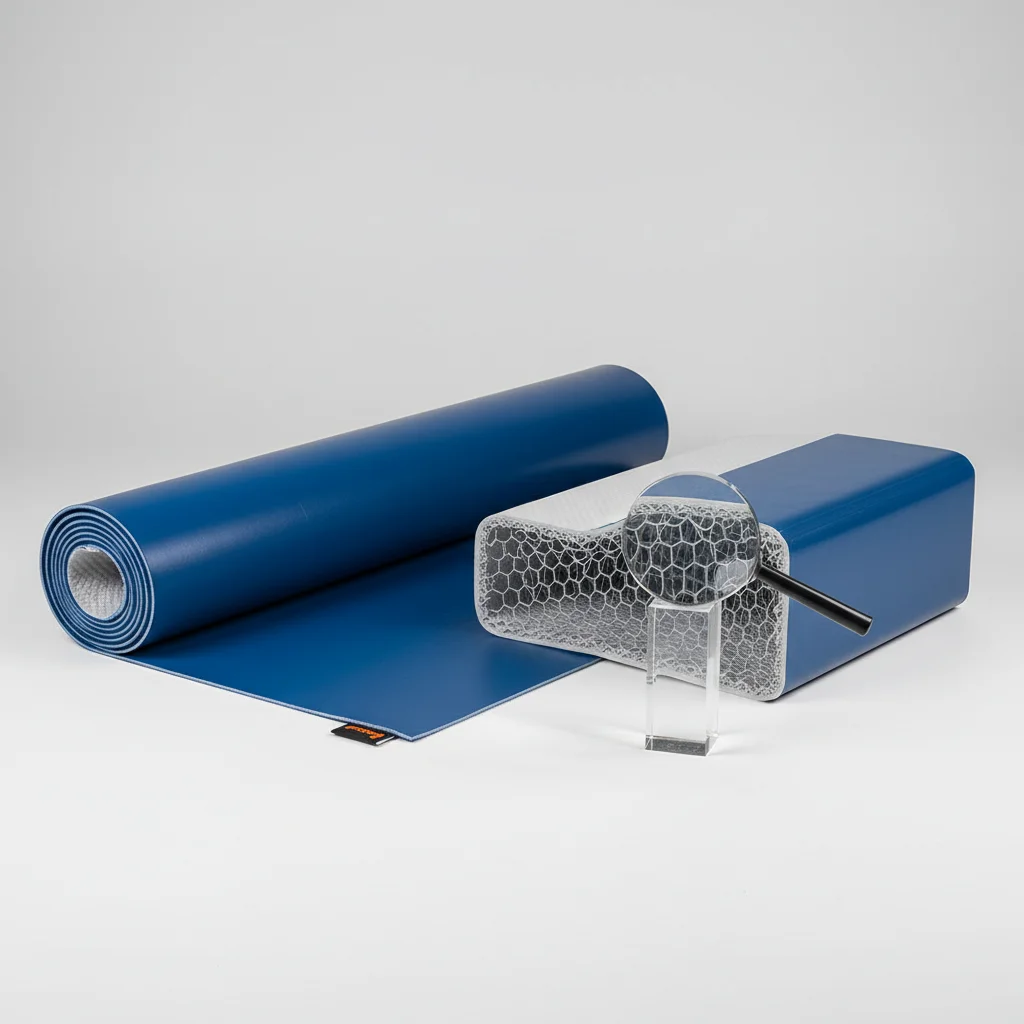
The core difference in inflatable paddle board material lies in the construction methods of PVC and drop-stitch technology, with drop-stitch being the fundamental structure that gives inflatable boards their rigidity, and PVC serving as the outer protective and airtight layer. Understanding these two components is crucial for appreciating how an inflatable board achieves its performance characteristics.
Understanding Drop-Stitch Technology
Drop-stitch technology is the innovative heart of every rigid inflatable paddle board. It involves thousands of polyester threads connecting the top and bottom layers of the board’s fabric. When inflated, these threads pull taut, creating a flat, rigid surface that can withstand high pressures without bulging. This internal structure is what allows an inflatable board to feel remarkably similar to a solid board on the water, providing stability and efficient glide. The density and quality of these threads directly impact the board’s stiffness and durability. For compare top inflatable paddle on this site.
There are several types of drop-stitch construction, including single-layer, double-layer (or fusion), and woven drop-stitch. Single-layer boards are lighter and more affordable but can be less rigid and more prone to punctures. Double-layer fusion boards, where a second layer of PVC is laminated to the core, offer superior stiffness and durability without adding excessive weight. Woven drop-stitch is the latest advancement, using a woven fabric for the internal threads, which reduces weight while increasing stiffness and strength. This variety in construction allows manufacturers to tailor boards for different performance needs and price points.
The Role of PVC in Inflatable Paddle Boards
Polyvinyl chloride (PVC) is the material used for the outer skin of inflatable paddle boards, providing the airtight seal and protecting the internal drop-stitch core. High-quality PVC is essential for durability, UV resistance, and abrasion protection. Most reputable brands use military-grade PVC, which is known for its strength and longevity. The number of PVC layers and the method of attachment (glued vs. fusion) significantly impact the board’s overall performance and lifespan.
Beyond the main body, PVC is also used for the rails (sides) of the board, often in multiple layers to enhance stiffness and protect against impacts. The deck pad, typically made from EVA foam, is then adhered to the top PVC layer, providing grip and comfort. The quality of the PVC and the manufacturing process, such as heat-welded seams versus glued seams, are critical factors in preventing leaks and ensuring the board can withstand the rigors of regular use and varying environmental conditions.
Comparing Single-Layer vs. Double-Layer PVC
|
Our Picks for the Best Paddle Board in 2026
As an Amazon Associate I earn from qualifying purchases.
|
||
| Num | Product | Action |
|---|---|---|
| 1 | Roc Inflatable Stand Up Paddle Board 10' 6" with Premium SUP Paddle Board Accessories, Wide Stable Design, Non-Slip Comfort Deck for Youth & Adults |

|
| 2 | FunWater Inflatable Stand Up Paddle Board with Premium SUP Paddleboard Accessories, Anti-Slip EVA Deck, 11'/10'6'' Paddle Boards for Adults & Youth of All Skill Levels |
|
| 3 | Roc Inflatable Stand Up Paddle Board 10' 6" with Premium SUP Paddle Board Accessories, Wide Stable Design, Non-Slip Comfort Deck for Youth & Adults |
|
| 4 | FunWater Inflatable Stand Up Paddle Board with Premium SUP Paddleboard Accessories, Anti-Slip EVA Deck, 11'/10'6'' Paddle Boards for Adults & Youth of All Skill Levels |
|
| 5 | Roc Inflatable Stand Up Paddle Boards with Premium SUP Paddle Board Accessories, Wide Stable Design, Non-Slip Comfort Deck for Youth & Adults |
|
| 6 | Retrospec June Nano Kids Inflatable Fishing Paddle Board SUP Kayak: 9'6" Hybrid Paddleboard with Rod Holders, Removable Seat - Lightweight Portable Youth Fishing Board |
|
| 7 | FBSPORT 11' Premium Stand Up Paddle Board, Yoga Board with SUP Accessories & Carry Bag | Wide Stance, Surf Control, Non-Slip Deck, Leash, Paddle and Pump for Youth & Adult |
|
| 8 | Niphean Inflatable Stand Up Paddle Board with SUP Accessories, Anti-Slip EVA Deck, 10’6’’ Inflatable Paddle Boards for Adults & Youth of All Skill Levels |
|
| 9 | Roc Inflatable Stand Up Paddle Board 10' 6" with Premium SUP Paddle Board Accessories, Wide Stable Design, Non-Slip Comfort Deck for Youth & Adults |
|
| 10 | Highpi Inflatable Stand Up Paddle Board for Youth and Adults – Wide Sup with Premium Accessories, Blow Up Paddleboard for Surfing, Fishing, Yoga & More |
|
When evaluating inflatable paddle boards, the distinction between single-layer and double-layer PVC construction is significant. Single-layer PVC boards are generally lighter and more budget-friendly, making them a good entry-level option. However, they are typically less rigid and more susceptible to damage from punctures or abrasions. They might also flex more under heavier loads, affecting stability and glide performance.
Double-layer PVC boards, especially those with fusion technology, offer enhanced durability, rigidity, and a higher weight capacity. The additional layer of PVC provides extra protection against impacts and UV degradation, making them more suitable for frequent use, rougher conditions, or heavier paddlers. While they are usually heavier and more expensive than single-layer boards, the improved performance and longevity often justify the investment for serious paddlers. Consider thefor a durable double-layer option.
Woven Drop-Stitch: The Next Evolution
Woven drop-stitch technology represents a significant advancement in inflatable paddle board construction. Unlike traditional knitted drop-stitch threads, woven threads are interlaced, creating a stronger and more stable internal structure. This allows manufacturers to use fewer threads and less material overall, resulting in boards that are considerably lighter yet often stiffer than their traditional counterparts. The reduced material also means less environmental impact during production.
Boards utilizing woven drop-stitch technology typically offer superior performance, including better glide, increased responsiveness, and easier portability due to their lighter weight. While these boards often come with a higher price tag, the benefits in terms of performance and ease of use can be substantial for paddlers seeking the best possible experience. For an example of advanced construction, check out the.
Key Material Considerations for Buyers
- Durability: Look for high-quality PVC and robust drop-stitch construction to ensure longevity.
- Rigidity: Double-layer fusion or woven drop-stitch offers superior stiffness for better performance.
- Weight: Lighter boards are easier to transport, but ensure they don’t compromise on durability.
- UV Resistance: Good quality PVC will resist sun damage, extending the board’s life.
- Seam Construction: Heat-welded seams are generally more reliable than glued seams.
Ultimately, the best inflatable paddle board material for you depends on your budget, intended use, and performance expectations. Understanding the differences between PVC and drop-stitch, and the various construction methods, will empower you to make an informed decision and choose a board that will provide years of enjoyment on the water.

I always wondered how inflatable boards got so stiff, and this really cleared it up. The explanation of drop-stitch technology with all those threads connecting the layers makes total sense now. My iSUP feels super solid on the water, and I can definitely tell it’s not just a big air mattress. Great info for anyone curious about their board’s construction.
I’ve had a few inflatable boards over the years, and I always just assumed they were all PVC. It was interesting to learn that PVC is actually the outer layer, protecting the drop-stitch core. It makes me appreciate the durability of my board even more, especially when I’m bumping it around on the shore. Good to know what’s really going on inside.
While the breakdown of drop-stitch and PVC was helpful, I was hoping for a bit more on how different grades of PVC might affect board longevity. My last board started showing some wear on the rails pretty quickly, and I’m trying to figure out if it was the material quality or just my rough handling. Still, it’s good to understand the basics of how these boards are made.
This was super informative! I always just thought ‘inflatable’ meant flimsy, but understanding the drop-stitch construction really changed my perspective. It’s amazing how those thousands of threads create such a rigid surface. Now I feel much more confident in the stability of my board when I’m out on the lake.