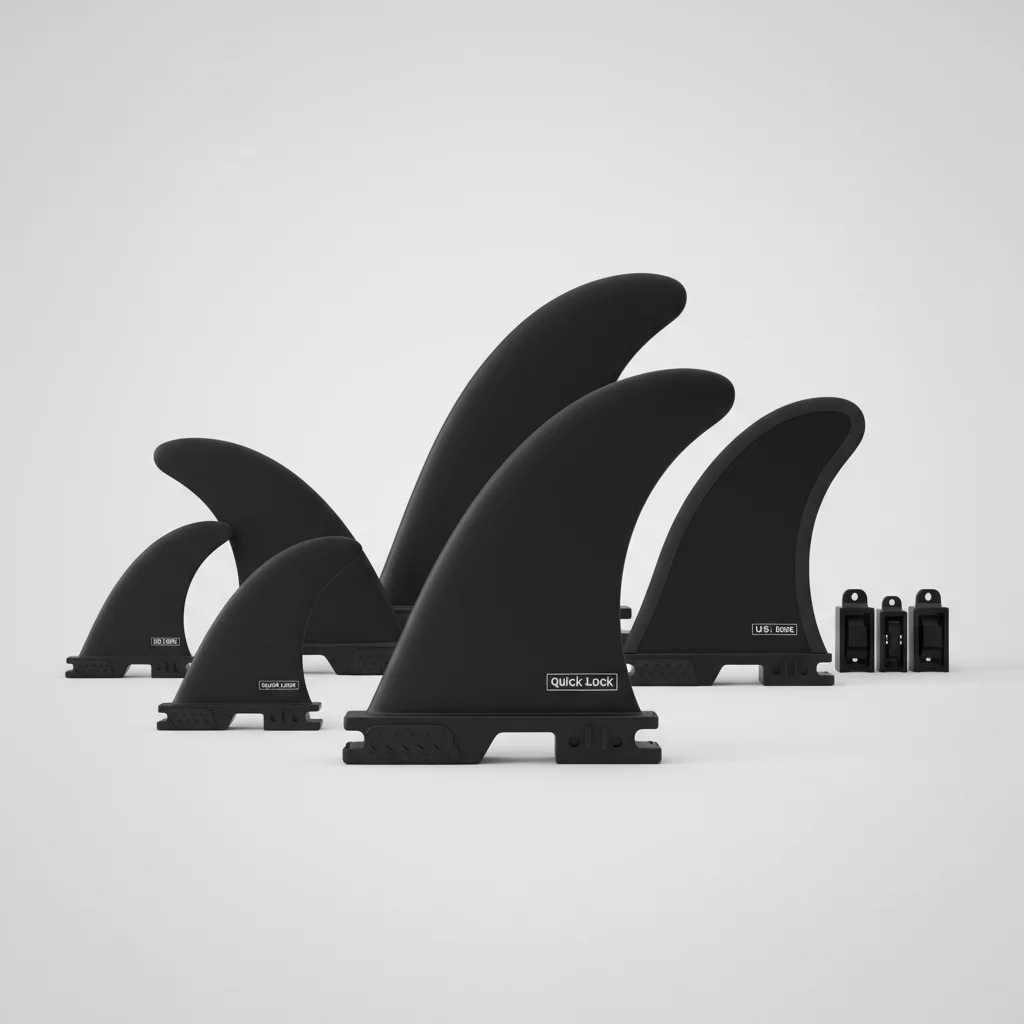
Inflatable paddle board fins are crucial for tracking and stability, and while many boards come with a single large center fin, the necessity of this specific fin depends on your paddling style and the water conditions. For most recreational paddlers, a center fin is highly recommended as it significantly improves directional stability, making it easier to paddle in a straight line. Without it, your board will tend to drift, requiring more corrective strokes and expending more energy.
The primary purpose of a center fin is to act as a keel, preventing the board from sliding sideways through the water. This is especially important for beginners who are still developing their balance and stroke technique. While some boards feature a 2+1 fin setup (a large center fin with two smaller side fins) or even a thruster setup (three equally sized fins), a single center fin is often sufficient for general touring and flatwater paddling. The larger surface area of a center fin provides maximum resistance against lateral movement, which is key for efficient forward propulsion. For complete inflatable paddle library on this site.
Types of Inflatable Paddle Board Fin Systems
There are several common fin systems found on inflatable paddle boards, each with its own advantages. The most prevalent is the slide-in fin system, which allows for quick attachment and detachment of the fin. Another popular option is the US box fin system, which offers greater compatibility with a wider range of aftermarket fins and is often preferred by more experienced paddlers for its secure fit and versatility. Some boards also feature fixed, non-removable fins, which are convenient but limit customization and can be prone to damage during transport or storage.
Understanding these systems is important when considering replacement fins or upgrading your board’s performance. For instance, a touring fin, which is typically longer and more swept back, is designed to enhance tracking for long-distance paddling. On the other hand, a shorter, more upright fin might be better for surfing or navigating shallow waters, as it allows for quicker turns and reduces the risk of grounding.
Impact of Fin Size and Shape on Performance
The size and shape of your inflatable paddle board fins directly influence the board’s performance characteristics. A longer, deeper fin provides superior tracking, helping the board maintain a straight course with less effort. This is ideal for flatwater cruising and touring where efficiency is paramount. Conversely, a shorter fin will make the board more maneuverable, allowing for quicker turns and pivots, which is beneficial for surfing or navigating tight spaces.
The rake, or sweep, of a fin also plays a role. Fins with more rake are swept back, offering better weed shedding and a smoother feel through the water, but slightly less pivot. Fins with less rake, or a more upright design, provide more pivot and a snappier feel, often favored by surfers. Experimenting with different fin configurations can significantly alter your paddling experience, allowing you to fine-tune your board for specific conditions or activities.
When to Consider a Different Fin Setup
|
Our Picks for the Best Paddle Board in 2026
As an Amazon Associate I earn from qualifying purchases.
|
||
| Num | Product | Action |
|---|---|---|
| 1 | Niphean Inflatable Stand Up Paddle Board with SUP Accessories, Anti-Slip EVA Deck, 10’6’’ Inflatable Paddle Boards for Adults & Youth of All Skill Levels |

|
| 2 | Roc Inflatable Stand Up Paddle Board 10' 6" with Premium SUP Paddle Board Accessories, Wide Stable Design, Non-Slip Comfort Deck for Youth & Adults |
|
| 3 | Roc Inflatable Stand Up Paddle Board 10' 6" with Premium SUP Paddle Board Accessories, Wide Stable Design, Non-Slip Comfort Deck for Youth & Adults |
|
| 4 | Roc Inflatable Stand Up Paddle Board 10' 6" with Premium SUP Paddle Board Accessories, Wide Stable Design, Non-Slip Comfort Deck for Youth & Adults |
|
| 5 | FunWater Inflatable Stand Up Paddle Board with Premium SUP Paddleboard Accessories, Anti-Slip EVA Deck, 11'/10'6'' Paddle Boards for Adults & Youth of All Skill Levels |
|
| 6 | FunWater Inflatable Stand Up Paddle Board with Premium SUP Paddleboard Accessories, Anti-Slip EVA Deck, 11'/10'6'' Paddle Boards for Adults & Youth of All Skill Levels |
|
| 7 | Roc Inflatable Stand Up Paddle Boards with Premium SUP Paddle Board Accessories, Wide Stable Design, Non-Slip Comfort Deck for Youth & Adults |
|
| 8 | Highpi Inflatable Stand Up Paddle Board for Youth and Adults – Wide Sup with Premium Accessories, Blow Up Paddleboard for Surfing, Fishing, Yoga & More |
|
| 9 | Retrospec June Nano Kids Inflatable Fishing Paddle Board SUP Kayak: 9'6" Hybrid Paddleboard with Rod Holders, Removable Seat - Lightweight Portable Youth Fishing Board |
|
| 10 | FBSPORT 11' Premium Stand Up Paddle Board, Yoga Board with SUP Accessories & Carry Bag | Wide Stance, Surf Control, Non-Slip Deck, Leash, Paddle and Pump for Youth & Adult |
|
While a single center fin is excellent for general use, there are situations where a different fin setup might be more advantageous. For instance, if you frequently paddle in shallow rivers or rocky areas, a shorter fin or a multi-fin setup with smaller fins might be preferable to reduce the risk of damage. Similarly, if you’re looking to improve maneuverability for surfing small waves, a thruster setup (three smaller fins) can provide better control and responsiveness.
- For enhanced tracking on long tours, consider a longer, more swept-back touring fin.
- To increase maneuverability for surfing or quick turns, opt for shorter, more upright fins.
- If paddling in very shallow water, a flexible or smaller fin setup can prevent grounding.
- For improved stability in choppy conditions, a 2+1 setup can offer a good balance.
- When racing, a rigid, high-aspect fin can reduce drag and maximize speed.
It’s also worth noting that some advanced paddlers might remove the center fin entirely for specific purposes, such as river surfing or downwinding, where the goal is to maximize drift and maneuverability rather than straight-line tracking. However, this is generally not recommended for beginners or general recreational use.
Maintaining Your Inflatable Paddle Board Fins
Proper maintenance of your inflatable paddle board fins is essential for their longevity and performance. Always rinse your fins with fresh water after each use, especially if you’ve been paddling in saltwater, to prevent corrosion and buildup. Inspect the fin box and the fin itself for any cracks, bends, or damage that could affect its function or lead to issues during paddling. If you have a removable fin, store it separately in a protective case when not in use to prevent accidental damage during transport or storage.
When installing or removing fins, always follow the manufacturer’s instructions to avoid damaging the fin box or the fin. For slide-in fins, ensure they are fully seated and locked into place before inflating your board. For US box fins, make sure the screw is tightened securely but not overtightened. Regular inspection and care will ensure your fins continue to provide optimal performance and contribute to a smooth paddling experience.Consider carrying a spare fin, especially if you frequently paddle in remote locations, as a damaged fin can significantly impact your ability to paddle effectively.
